
Blog
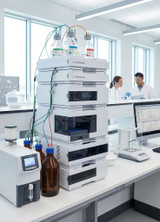
HPLC Basics
HPLC Basics: Principles, Instrumentation, Methods, and Applications
High-Performance Liquid Chromatography (HPLC) is an analytical separation technique used to identify, separate, and quantify the components of complex mixtures. It is widely applied in pharmaceutical analysis, biochemistry, biotechnology, food science, environmental monitoring, and chemical research. HPLC provides reliable analytical results when the instrument, chromatographic conditions, and analytical method are properly opt
…
19th Oct 2026
Cell Lines, Culture Types, and Cell Morphology
Cell Lines, Culture Types, and Cell Morphology: A Complete Scientific Guide
Cell culture is an essential technique in modern biological research, biotechnology, pharmaceutical development, and biomedical science. It allows researchers to maintain and study cells under controlled laboratory conditions to investigate cellular functions, biological mechanisms, disease processes, and responses to experimental treatments.
Understanding cell lines, culture types, and cell morphology is fundamental to
…
16th Oct 2026
Removal of Bacterial Endotoxins
Removal of Bacterial Endotoxins : Methods, Challenges, and Best Practices in Biotechnology
Introduction
Bacterial endotoxins are among the most important contaminants encountered during the production and purification of biological products. They are primarily lipopolysaccharides (LPS) located in the outer membrane of Gram-negative bacteria. Endotoxins can enter protein preparations, recombinant DNA products, culture-derived materials, and pharmaceutical formulations during manufacturing and dow
…
15th Oct 2026
Higher LDL Cholesterol and Oxidative Stress: Understanding Lipid Oxidation and Antioxidant Defense
Introduction
Low-density lipoprotein (LDL) is a lipoprotein particle responsible for transporting cholesterol from the liver to peripheral tissues. Although cholesterol is essential for cell membranes, steroid hormone synthesis, and other biological functions, elevated levels of LDL cholesterol in the bloodstream are associated with an increased risk of atherosclerotic cardiovascular disease.
Beyond the quantity of circulating LDL, the biochemical properties of LDL particles may influence their
…
15th Oct 2026
Overview on Whole Genome Amplification (WGA)
Introduction
Whole genome amplification (WGA) is a molecular biology technique used to amplify genomic DNA from a small amount of starting material. It enables researchers to generate sufficient DNA for downstream analyses when the original sample is limited, such as a single cell, a few cells, or a small biological specimen.
Unlike conventional polymerase chain reaction (PCR), which targets a specific DNA sequence, whole genome amplification aims to amplify DNA across a large proportion of the
…
14th Oct 2026