
Oligo (dT)25 Gold Nanoparticles
Oligo (dT)25 Gold Nanoparticles: mRNA Recognition and Research Applications
Exploring the combination of oligonucleotide recognition and gold nanotechnology in molecular biology, biosensing, and bioanalytical research.
1. Introduction to Oligo (dT)25 Gold Nanoparticles
Gold nanoparticles (AuNPs) are widely investigated nanomaterials because of their distinctive optical properties, controllable surface chemistry, and ability to interact with biological molecules. Their surfaces can be functionalized with nucleic acid sequences, creating nanoscale systems for molecular recognition and bioanalytical applications.
Oligo (dT)25 refers to a synthetic DNA oligonucleotide containing 25 consecutive thymidine residues. This sequence is complementary to the polyadenine (poly(A)) tails found at the 3′ ends of most mature eukaryotic messenger RNA (mRNA) molecules.
When associated with gold nanoparticles, oligo (dT)25 provides a sequence-specific recognition element that can interact with poly(A)-containing RNA through complementary base pairing.
2. Understanding the Poly(A) Tail of mRNA
In eukaryotic cells, most mature mRNA molecules contain a poly(A) tail at their 3′ end. This region consists of a series of adenine nucleotides added during RNA processing.
The poly(A) tail contributes to several important biological processes:
- mRNA stability: Helps regulate RNA degradation and transcript lifetime.
- Translation: Participates in the regulation of protein synthesis.
- RNA processing: Represents an important feature of mature eukaryotic mRNA.
- Molecular recognition: Provides a target sequence for complementary oligo(dT) probes.
Because of this characteristic, oligo(dT)-based methods are commonly used in research workflows involving the enrichment or detection of polyadenylated RNA.
3. How Oligo (dT)25 Recognizes mRNA
Oligo (dT)25 contains thymidine nucleotides that can hybridize with complementary adenine nucleotides in an RNA poly(A) tail.
During hybridization, thymidine residues form complementary base pairs with adenine residues. This interaction allows an oligo(dT)-based probe to recognize poly(A)-containing RNA under suitable experimental conditions.
Simplified Hybridization Concept
mRNA: 5′ ————— AAAAA...AAAA — 3′
Oligo (dT)25: 3′ ————— TTTTT...TTTT — 5′
Complementary base pairing between adenine and thymidine residues.
4. The Role of Gold Nanoparticles
Gold nanoparticles provide a versatile platform for the presentation of biological recognition molecules. Their optical and physicochemical properties make them useful in the development of biosensors, molecular probes, and nanoscale assemblies.
Important characteristics of gold nanoparticles include:
- Optical properties: Gold nanoparticles exhibit localized surface plasmon resonance, producing characteristic optical absorption and scattering behavior.
- Surface functionalization: Their surfaces can be modified with oligonucleotides and other biomolecules.
- Size control: Particle diameter can influence optical behavior, surface area, and colloidal properties.
- Bioconjugation: Nucleic acid-functionalized particles can be designed for molecular recognition and sensing applications.
Combining gold nanoparticles with oligonucleotides brings together the molecular specificity of nucleic acid hybridization and the optical characteristics of nanoscale gold materials.
5. Applications in Molecular Biology and Bioanalysis
mRNA Recognition and Research
Oligo(dT)-based recognition is widely used in workflows involving polyadenylated RNA. Gold nanoparticle-associated oligonucleotides can be investigated as components of systems designed to recognize or detect selected RNA targets.
Nucleic Acid Biosensing
Gold nanoparticles functionalized with nucleic acids are studied in optical, colorimetric, and other biosensing approaches. Target recognition can influence nanoparticle organization and optical signals, depending on the assay design.
Gene Expression Research
Poly(A)-based recognition provides a useful strategy for working with mature eukaryotic mRNA. Related nanoparticle-based approaches have been investigated for gene expression analysis and the detection of specific RNA molecules.
Nanotechnology and Bioconjugation
Oligonucleotide-functionalized gold nanoparticles are also relevant to research on molecular assembly, surface chemistry, and the development of multifunctional nanostructures.
6. Important Experimental Considerations
The performance of oligonucleotide-functionalized gold nanoparticles depends on several experimental factors:
- Particle size: Diameter affects surface area and optical properties.
- Oligonucleotide density: The number and accessibility of oligonucleotides on the particle surface influence molecular interactions.
- Hybridization conditions: Temperature, ionic strength, and sequence accessibility can affect oligo(dT)-poly(A) interactions.
- Colloidal stability: Aggregation can alter optical measurements and experimental reproducibility.
- RNA integrity: RNA degradation can reduce the availability of intact target sequences.
Researchers should also distinguish gold nanoparticle-based probes from magnetic oligo(dT) beads. Although both may use oligo(dT) recognition, their physical properties and separation or detection mechanisms are different.
7. Featured Research Product
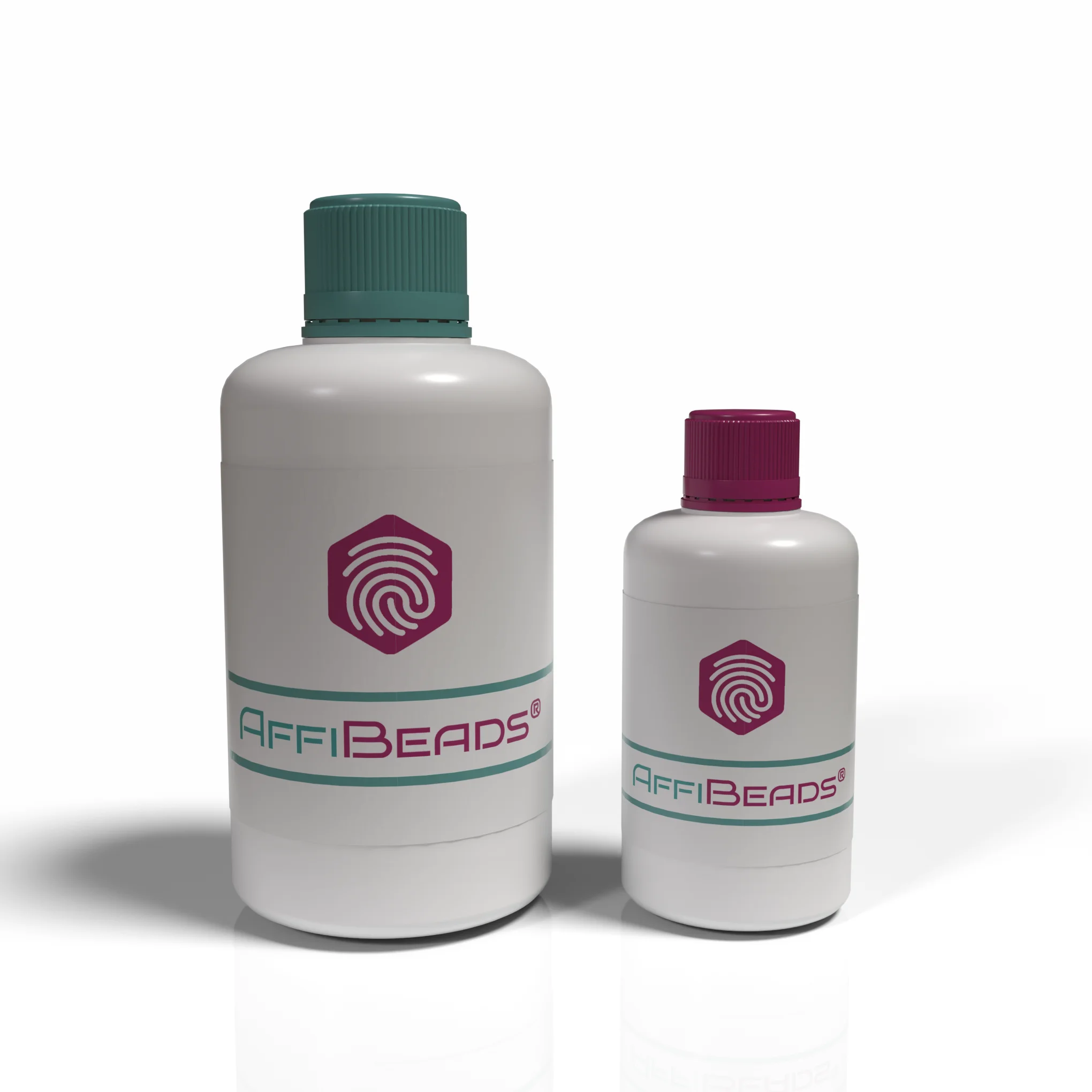
AffiBEADS® Oligo (dT)25 Gold Particles, 1.0 nM, 15–20 nm
Gold Nanoparticles for Molecular Biology and Nanotechnology Research
Catalog Number: AFG-SPT-0631
Concentration: 1.0 nM
Particle Size: 15–20 nm
Size: 1 mL
This research material combines gold nanoparticles with an oligo (dT)25 recognition component. It is relevant to investigations involving nucleic acid interactions, nanoparticle functionalization, bioanalytical methods, and nanotechnology research.
8. Conclusion
Oligo (dT)25 gold nanoparticles combine the sequence-recognition properties of oligonucleotides with the distinctive optical and surface characteristics of gold nanomaterials. Their potential research applications include poly(A)-RNA recognition, nucleic acid biosensing, gene expression analysis, and the development of functional nanostructures.
Continued research into nanoparticle functionalization, hybridization behavior, and optical detection is expanding the possibilities for nucleic acid-based bioanalytical technologies.
Scientific References
- Cheng Y, et al. (2004). Gold nanoparticle probe-based gene expression analysis with unamplified total human RNA. Nucleic Acids Research, 32(18), e137. https://doi.org/10.1093/nar/gnh135
- Dutour R, Bruylants G. (2025). Gold Nanoparticles Coated with Nucleic Acids: An Overview of the Different Bioconjugation Pathways. Bioconjugate Chemistry, 36(6), 1133–1156. https://doi.org/10.1021/acs.bioconjchem.5c00098
- Ding Y, Liu J. (2024). Interfacing DNA and Aptamers with Gold Nanoparticles: From Fundamental Colloid and Interface Sciences to Biosensors. Chinese Journal of Chemistry, 42(19), 2391–2400. https://doi.org/10.1002/cjoc.202400113
- Taton TA. (2002). Preparation of Gold Nanoparticle–DNA Conjugates. Current Protocols in Nucleic Acid Chemistry. https://doi.org/10.1002/0471142700.nc1202s09
- Patil TP, et al. (2025). Nucleic acid conjugated gold nanoparticles for biosensing applications: a review. World Journal of Microbiology and Biotechnology, 41, 219. https://doi.org/10.1007/s11274-025-04454-z
Supporting Innovation in Molecular Biology and Nanotechnology
Research applications only. Follow the product-specific handling and storage instructions.
Recent Posts
-
Zika Virus NS1 Protein
Zika Virus NS1 Protein: Structure, Function and Research Applications Understanding a key flavivir …4th Nov 2026 -
Cell Contraction Assay: Understanding the Floating Collagen Matrix Model
Cell Contraction Assay: Understanding the Floating Collagen Matrix Model Exploring cellular contra …4th Nov 2026 -
Oligo (dT)25 Gold Nanoparticles
Oligo (dT)25 Gold Nanoparticles: mRNA Recognition and Research Applications Exploring the combinat …4th Nov 2026